M
"
  • 0%
    • TABLILLA 01. «El poder sistémico»
    • TABLILLA 02. «La amenaza individual»
      • Pág. 31
      • Pág. 32
      • Pág. 33
      • Pág. 34
      • Pág. 35
      • Pág. 36
      • Pág. 37
      • Pág. 38
      • Pág. 39
      • Pág. 40
      • Pág. 41
      • Pág. 42
      • Pág. 43
      • Pág. 44
      • Pág. 45
      • Pág. 46
      • Pág. 47
      • Pág. 48
      • Pág. 49
      • Pág. 50
      • Pág. 51
      • Pág. 52
      • Pág. 53
      • Pág. 54
    • TABLILLA 03. «La amenaza de lo colectivo»
      • Pág. 55
      • Pág. 56
      • Pág. 57
      • Pág. 58
      • Pág. 59
      • Pág. 60
      • Pág. 61
      • Pág. 62
      • Pág. 63
      • Pág. 64
      • Pág. 65
      • Pág. 66
      • Pág. 67
    • TABLILLA 04. «Sueños y presagios»
      • Pág. 68
      • Pág. 69
      • Pág. 70
      • Pág. 71
      • Pág. 72
      • Pág. 73
      • Pág. 74
      • Pág. 75
    • TABLILLA 05. «La proeza: el monstruo Humbaba»
      • Pág. 76
      • Pág. 77
      • Pág. 78
      • Pág. 79
      • Pág. 80
      • Pág. 81
      • Pág. 82
      • Pág. 83
      • Pág. 84
      • Pág. 85
      • Pág. 86
      • Pág. 87
      • Pág. 88
      • Pág. 89
    • TABLILLA 06. «Ishtar y el toro celeste»
      • Pág. 90
      • Pág. 91
      • Pág. 92
      • Pág. 93
      • Pág. 94
      • Pág. 95
      • Pág. 96
      • Pág. 97
      • Pág. 98
      • Pág. 99
      • Pág. 100
      • Pág. 101
      • Pág. 102
      • Pág. 103
      • Pág. 104
    • TABLILLA 07. «Sueños y agonía de Enkidu»
      • Pág. 105
      • Pág. 106
      • Pág. 107
      • Pág. 108
      • Pág. 109
      • Pág. 110
      • Pág. 111
      • Pág. 112
      • Pág. 113
      • Pág. 114
      • Pág. 115
      • Pág. 116
      • Pág. 117
      • Pág. 118
      • Pág. 119
      • Pág. 120
      • Pág. 121
      • Pág. 122
      • Pág. 123
      • Pág. 124
      • Pág. 125
      • Pág. 126
    • TABLILLA 08. «Lamentos y exequias por Enkidu»
      • Pág. 127
      • Pág. 128
      • Pág. 129
      • Pág. 130
      • Pág. 131
      • Pág. 132
      • Pág. 133
      • Pág. 134
    • TABLILLA 09. «El jardín encantado»
      • Pág. 135
      • Pág. 136
      • Pág. 137
      • Pág. 138
      • Pág. 139
      • Pág. 140
      • Pág. 141
      • Pág. 142
      • Pág. 143
      • Pág. 144
    • TABLILLA 10. «Los de las piedras»
      • Pág. 145
      • Pág. 146
      • Pág. 147
      • Pág. 148
      • Pág. 149
      • Pág. 150
      • Pág. 151
      • Pág. 152
      • Pág. 153
      • Pág. 154
      • Pág. 155
      • Pág. 156
      • Pág. 157
      • Pág. 158
      • Pág. 159
      • Pág. 160
    • TABLILLA 11. «El diluvio»
      • Pág. 161
      • Pág. 162
      • Pág. 163
      • Pág. 164
      • Pág. 165
      • Pág. 166
      • Pág. 167
      • Pág. 168
      • Pág. 169
      • Pág. 170
      • Pág. 171
      • Pág. 172
      • Pág. 173
      • Pág. 174
      • Pág. 175
      • Pág. 177
    • TABLILLA 12. «Final»
      • Pág. 178
      • Pág. 179
      • Pág. 180
      • Pág. 181
      • Pág. 182
      • Pág. 183
      • Pág. 184
      • Pág. 185
      • Pág. 186
      • Pág. 187
  • INSERTO

    El fotógrafo Bob Carlos Clarke decía respecto al poder respecto al sexo que la educación pública británica limitaba el acceso al otro (sexo), hasta la obsesión. 

    ¿Son sus fotos protesta (a base de magro)? ¿Generan algún tipo de oposición a algún tipo de Gilgamesh?
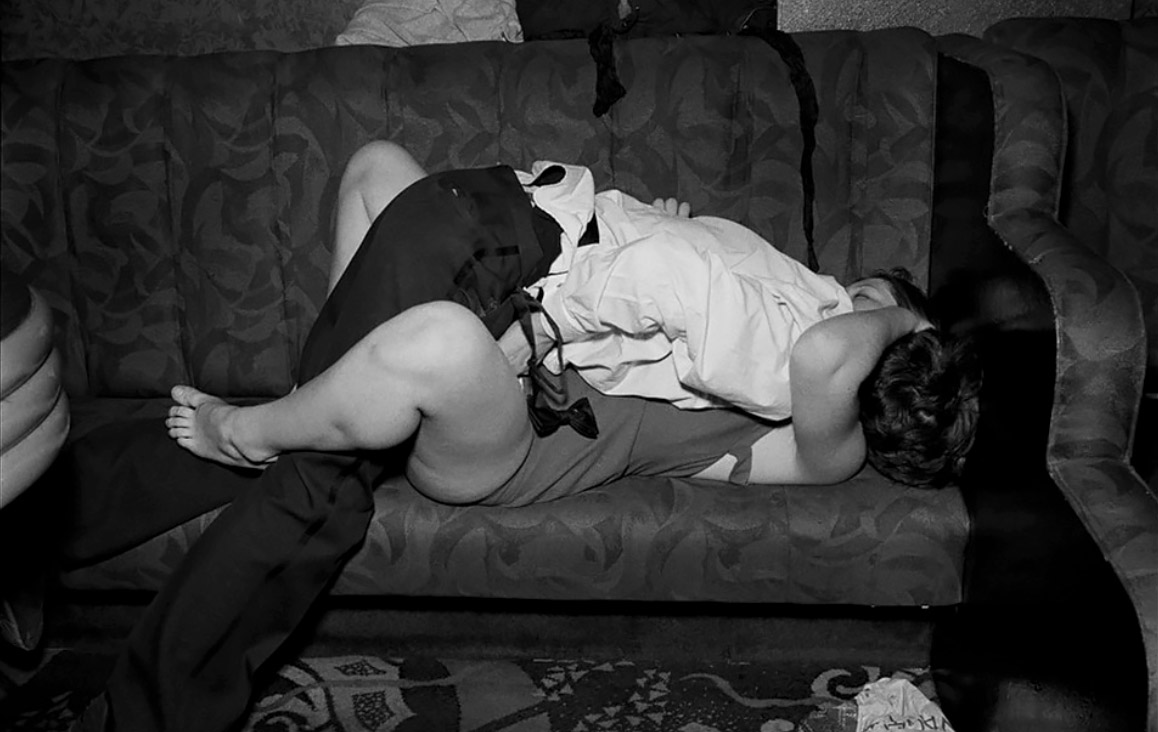
    «Qué escándalo» clamarían los más simplones de los Gilgameshes; otros, los más espabilados, opinarían, «qué tontería, no nos afecta», y otros, posiblemente se hiciesen una paja y ya. ¿Pero nosotros? 


    ¿CREEMOS que este tipo de arte puede encarnar algún tipo protesta y remueve a quien lo ve?

    «¿Creemos entonces que estaríamos ante la misma distracción que producen el humor, el fútbol o la religión?».

    «¿No se trataba de que toda acción afecta? O quizás afecte pero su capacidad sea nimia, ¿es eso lo que creemos?».

    «¿Creemos entonces que cualquier acción que moleste o sacuda, alimenta el inconformismo?».

    ¿Queremos añadir algo más?
    Aprovechemos a comentar más abajo.

    2 Comentarios

    1. Qué divertido pensar si sí o si no, afecta o alienta, esto del sexo.

      Responder
      • toda protesta termina siendo alimento al monstruo. Gilgamesh se hace fuerte al ampliar sus fronteras a base de nuestras protestas. ¿Acaso quedarse callado y sonreír no sería otro modo de protestar? Quedarse callado.

        Responder

    Enviar un comentario

    Tu dirección de correo electrónico no será publicada. Los campos obligatorios están marcados con *